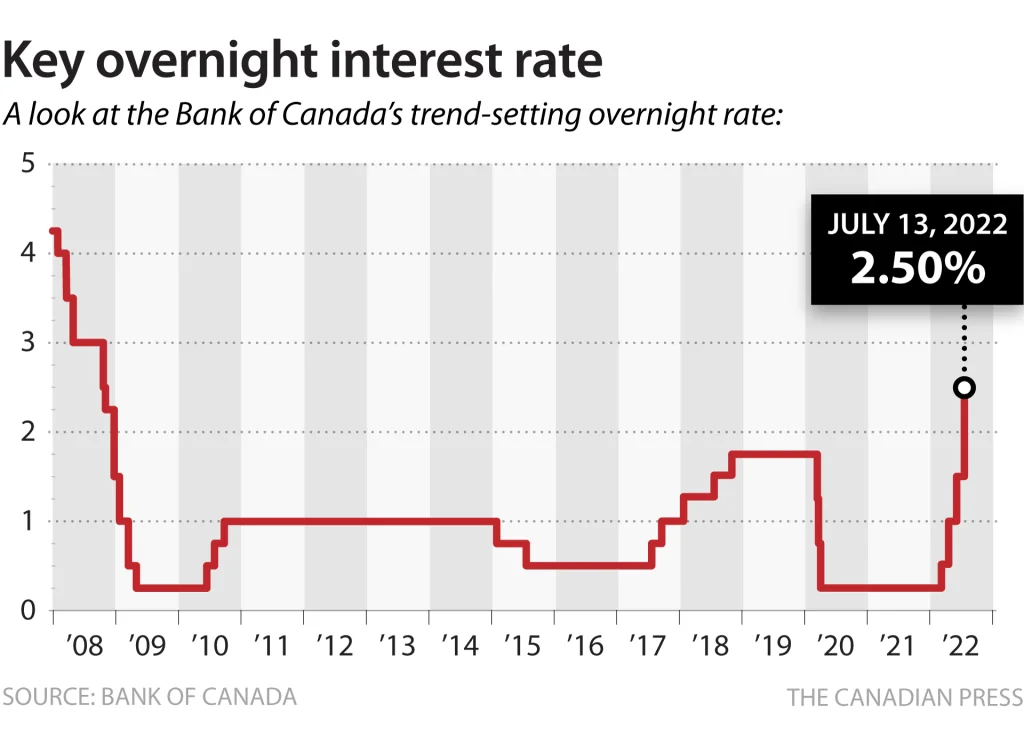
A year ago, none of us could have predicted that we would be living today with the double whammy of inflation and rising interest rates. Facing the future, we need to summarize the past and sort out how to face the uncertainty of the future. After all, the general environment is changing.
During the epidemic, some people suggested that they increase the mortgage on their home, use funds to buy investment properties, and get on the real estate investment boat as soon as possible. This goes against my long-standing advice of sparing no effort to pay off your mortgage quickly. Nowadays, families who have increased their mortgages and happened to use floating-rate loans with variable monthly payments will see their monthly loan payments increase each time the central bank raises interest rates, putting great financial and psychological pressure on them. According to statistics from the central bank, this group of households only accounts for 2% of the total number of households. Therefore, the central bank is not worried about the overall impact of high interest rates on Canadian households under such a drastic increase in interest rates. However, for these 2% of households, a speck of dust from the times that falls on their own family is a huge mountain.
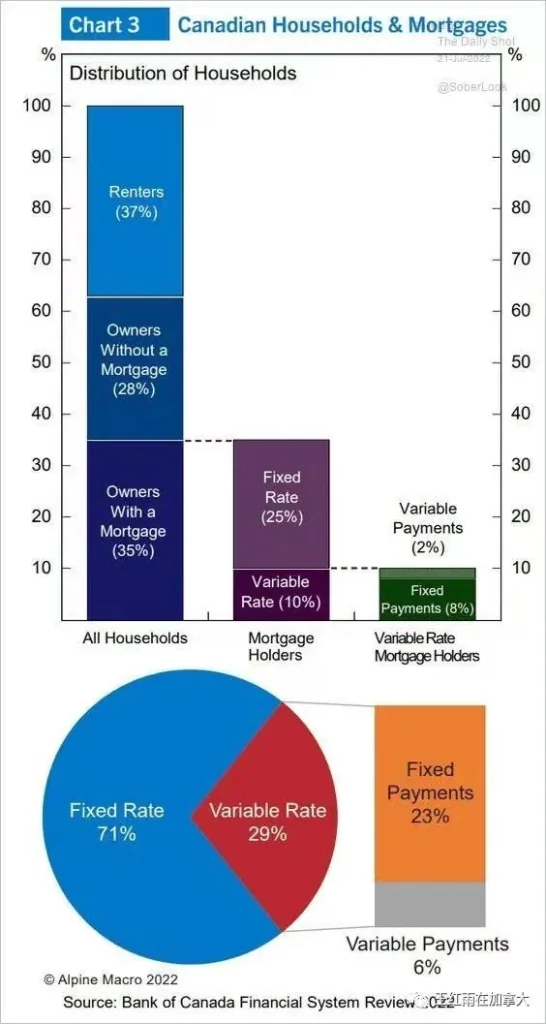
During the epidemic, some families saw housing prices rising rapidly and were envious of real estate wealth, so they went beyond their means and forced real estate investment, bypassing banks' conservative stress tests and obtaining loans from alternative financial institutions. Although the interest rate was more than twice higher than that of major banks, the actual interest rate was only 4%. They felt that they could afford it, so they got on the bus rashly and happily. The loan contract period of alternative lending institutions is generally very short, 1-2 years. During the short honeymoon period, if the borrower still does not make efforts to deleverage the mortgage, does not work hard and honestly file taxes, the loan will be difficult to transfer from the alternative lending institution. If the borrower continues to renew the contract with the alternative institution, he is now facing a renewal interest rate of up to 8%. When the loan interest rate exceeds 8%, real estate investment makes no sense, and investors become house slaves carrying negative leverage to work for alternative lending institutions and tenants.
The central bank's frantic efforts to raise interest rates are in a fight with the public. The central bank is trying to break the public's predictions of rising prices through expectation management. If the public forms a consensus on inflation and believes that prices will continue to rise, they will demand salary increases, adding fuel to the already rising prices and creating a hyperinflationary situation in which prices and wages spiral upward. This spiral has appeared before in history, and because it was not contained in time, the consequences were serious. Before March this year, the Federal Reserve and the Bank of Canada tried to achieve the purpose of expectation management with their mouths, but they failed completely. Because the shouting was harsh enough, the atmosphere has reached that point, and the interest rate has to be raised. A speck of dust of the times fell like this, hitting the above two types of families.
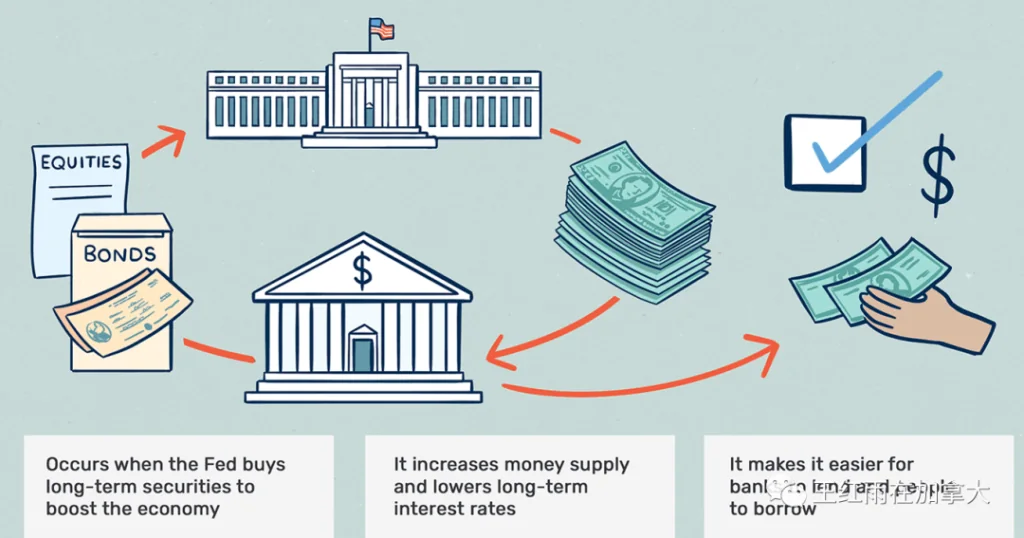
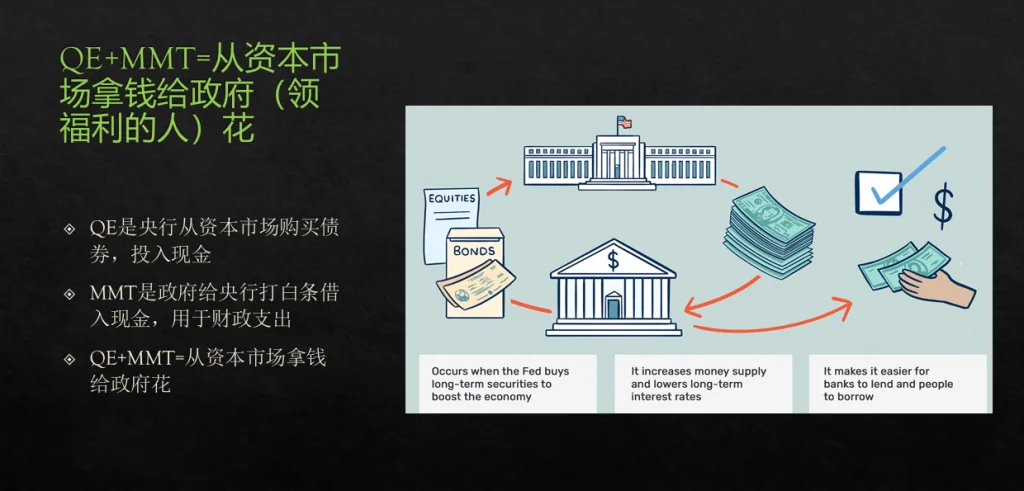
Some people regard the MMT policy of directly distributing money during the epidemic as the culprit of this inflation; some regard the central bank's greed for the temptation of inflation and its delay in raising interest rates as an epic policy mistake; some regard the reconstruction of the supply chain caused by the epidemic as the scapegoat for inflation and interest rate increases; and some blame the goose-bird war. . . . No matter what causes inflation and interest rate increases, we must face reality and face a more turbulent economic environment, more dangerous stagflation or recession, and a more uncertain life in our later years.
Some people are worried that the floating interest rate will rise to 8% and have begun to save money; some people see the fixed deposit interest rate at 5%, so they lock their cash in a five-year deposit; some people begin to doubt whether real estate investment is still the best investment, and start to look around other forms of investment. After the baptism of the epidemic, the challenge of high inflation, and the bumps in interest rates from the bottom to the mountainside, we can find some certainty in the uncertain environment at this moment, and clearly see the outline of the financial safety island from the lessons of others.
01 Do you need to save money on food and clothing?
The inflation rate we are most concerned about is CPI, Consumer Price Index, which is an index of price changes for a basket of goods. However, we can choose to buy less of the product whose price has increased and buy more of its substitutes. For example, if the price of beef has increased but the price of chicken has not, we can eat less beef and more chicken. Therefore, the United States has an economic indicator PCE. Personal Consumption Expenditure reflects the actual expenditure after people choose alternatives because of rising prices. Although the inflation rate and CPI in the United States are still soaring, the PCE in the United States reached a peak of 5.3 in February this year and has declined for three consecutive months. The PCE in May was 4.7%. This shows that although prices have not dropped, people are spending less, either because they are cutting back on food or clothing, or they are finding substitutes for the consumer goods they were accustomed to. There is no PCE index in Canada, so I don’t know if Canadians are frugal. From a visual inspection, the whole of Canada is in the north of the United States, and summer in each province is very precious. This summer is the first summer in the past three years where people can travel normally, and people's retaliatory consumption is much greater than in the United States. Canadians are not looking for alternative cheap consumption, but are actively looking for a ceremonial sense of the end of the epidemic, using consumption to treat depression caused by the epidemic and the long winter. I don't think Canada, even with PCE, will see a drop in real consumption by Canadians this summer. Canada is the country that has been the most ruthless in distributing money during the epidemic. So far, the deposits in people's bank accounts are as high as 330 billion. If they don't spend it during the summer, they always feel that they are sorry for Trudeau's kindness. In this optimistic country, shouting to get people to reduce consumption is completely ineffective. If the central bank wants to make headlines, it needs to raise interest rates by 100 points at a time. On July 13, the central bank did it. As a result, many families reluctantly canceled their Christmas travel plans, but still kept all their plans for eating, drinking and having fun this summer.
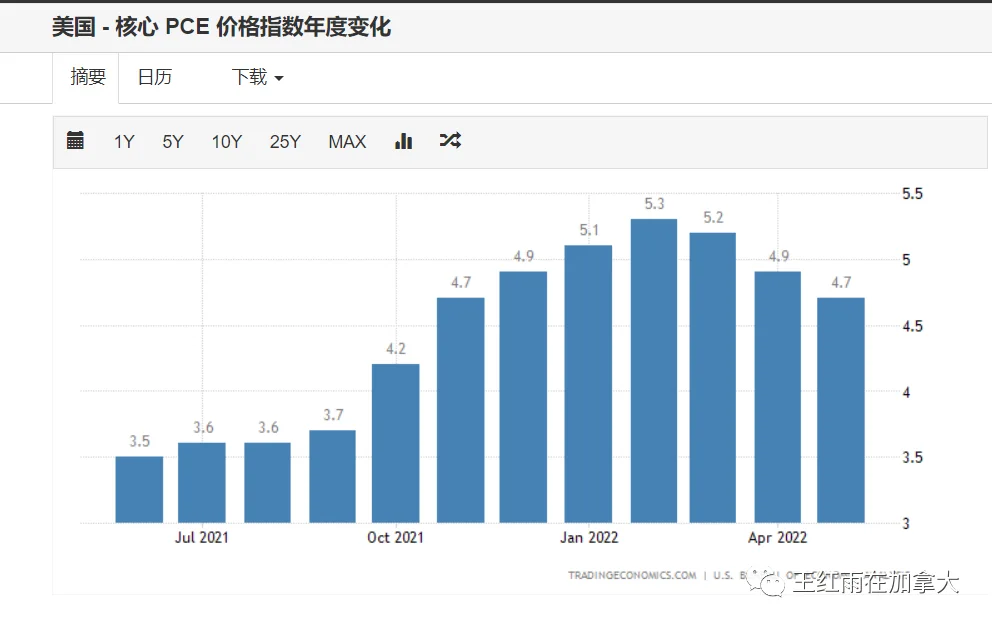
One of the basis for the Fed to raise interest rates is PCE. As this indicator declines, the pressure on the Fed to raise interest rates has eased. However, pressure from rising commodity prices still exists, and the U.S. producer price index (PPI) is still rising. Contrary to the United States, Canada's PPI has fallen since Canada is a producer of many important commodities. Canada's exports have recently experienced a surplus, and it is one of the two countries among the 10 developed industrial countries to achieve a trade surplus. The remaining eight countries that need to import large-scale production raw materials all have trade deficits. Canada's Prime Minister and Finance Minister both said smugly that Canada is the country with the best economic recovery among the G7.
Canada's Engel coefficient is 9%, the United States is 6.4%, and China is 21.5%. Americans have the lowest proportion of total income spent on food, with Canada ranking 9th and China ranking 48th. The rise in food prices has very little impact on the lives of ordinary Canadians. Even if you want to tighten your belt, you won't be able to save much money. Therefore, there is no need to save money on food.
Technological progress is the driving force behind deflation. Long-term technological progress has resulted in a very large consumer surplus for large durable goods. Even if prices increase, people will only sacrifice part of the consumer surplus, which will not affect normal life. If someone wants to take away the only refrigerator in your home, you are willing to pay 5,000 dollars to enjoy the convenience of using the refrigerator now. However, the refrigerator only sells for 500 dollars on the market, so the consumer surplus of the refrigerator is as high as 4,500 dollars. Even under inflation, the price of a refrigerator rises to 600 dollars, and your refrigerator happens to be broken and needs to be replaced. In fact, you only lose 100 dollars of consumer surplus. It doesn't matter. Most families will not stop using their refrigerators because of a price increase of 100 dollars.
In short, the inflation rate of 9.1% in the United States and the inflation rate of 8.1% in Canada have not affected the lives of ordinary consumers too much. Many people around me are still drinking morning tea, eating lobster, and traveling to Europe. Compared with similar inflation in history, the biggest difference between this round of great inflation is that it has not put ordinary people into trouble. I think there is no need for ordinary people to deliberately change their life patterns and rhythms because of inflation and interest rate increases.
02 Will the floating interest rate rise to 8%?
I participated in a live Q&A program on July 16. When a guest said that some people were worried about what to do if the floating interest rate rose to 8%, I burst out laughing on the spot. As a result, the host asked me why I was laughing at such a serious question. Linear thinking makes a lot of jokes, and this problem is one of them. The floating interest rate follows the policy interest rate, and the policy interest rate is set by the central bank. As long as it is artificially set, stupid things will happen without exception. Therefore, the policy interest rate may also be extremely stupid, but every family making decisions cannot be stupid together and needs to respond flexibly. In addition to floating interest rates, mortgage interest rates also have fixed interest rates. People are looking for alternatives every minute of their lives, and the choice of mortgage interest rates is no exception. Fixed interest rates on Canadian mortgages have peaked, currently at 5.5%. In other words, when the floating interest rate rises to 5.5%, there will be a paradigm shift in thinking. Borrowers with floating interest rates will immediately switch from floating interest rates to fixed interest rates. Therefore, when the floating interest rate rises to 8%, people no longer have floating interest rate loans. So what else is there to worry about?
On June 14, the U.S. 10-year Treasury bond yield and the Canadian 5-year Treasury bond yield both reached their highest point since the subprime mortgage crisis. At that time, the Canadian Commercial Bank fixed interest rate also rose to its peak, with the 5-year fixed interest rate reaching 5.5%. Since then, bond yields have been falling, with the 5-year Canadian bond yield falling to 2.89% on July 25. Due to the oligopoly nature of Canadian commercial banks, the reduction in capital costs has not been passed on to consumers, and the current five-year fixed interest rate is still around 5.5%. The recent peak and fall of bond yields are due to two factors: 1. The U.S. interest rate hike has caused the currencies of other countries to depreciate. In order to avoid importing inflation from the United States, many countries have adopted a struggle to defend their currency exchange rates, that is, selling U.S. dollars to buy their own currencies. To sell U.S. dollars, you must have U.S. dollars in hand, so some The country aggressively sold U.S. Treasury bonds in exchange for U.S. dollars. When U.S. Treasury bonds suffered a sell-off, prices fell and yields rose sharply. 2. The rise in bond yields attracted bond investors to return to the market to purchase bonds and complete the "reinvestment" process. Therefore, U.S. bond yields stabilized due to the increase in buyers. The phenomenon of some countries selling U.S. Treasury bonds has been over-interpreted. In fact, the reason is very simple: self-protection.
There is no shortage of rumormongers in the self-media who create sensational horror stories. Some stories sound reasonable, but those who spread rumors are just trying to create sales opportunities and cannot withstand the test of life. For example, scare borrowers that the floating interest rate may rise to 8% and sell the house quickly.
03 Only when the tide recedes do you know where the sharks are
Uncontrollable inflation has led the central bank to raise interest rates too aggressively. The interest-rate environment gives us a stress-test opportunity to examine the financial security of families. When the tide rises, our wealth rises and it becomes difficult to spot sharks in the sea. Once a person loses his footing and falls into the water, the threat from sharks becomes greater. "Falling into the water" here refers to misfortunes such as unemployment, disability, illness, etc. When the tide goes out, we can spot sharks more easily and eliminate hazards more easily.
The balance of the owner-occupied mortgage is close to or exceeds the annual household income 5 times is very dangerous. There are roughly 15.5 million houses in Canada, of which 8.5 million have no loans. Among the 7 million houses with loans, the average mortgage balance is 255,000. Families who bought a house later need to refer to this data to measure whether the balance exposure of their mortgage is too large. The balance of the owner-occupied mortgage is too large to withstand unexpected events. Unemployment, disability, illness and other accidents are common. There are no good insurance products to hedge the risks, so you can only bear them yourself. My personal opinion is, Lower the owner-occupied mortgage to the annual household income as soon as possible 2.5 times or less, increase the ability to resist unexpected shocks. Before the mortgage is paid off, you need to actively resist the temptation of various investment opportunities, especially you cannot put your income balance into the tax shield early to invest in financial assets. Investment insurance is not suitable for most ordinary families because the financial burden is too heavy. It is recommended that ordinary families choose high-quality and low-cost term insurance before paying off their mortgages. With the same impact of inflation and interest rate increases, households with large owner-occupied loan balances will become even less able to withstand surprises. " There is no such thing as the same world, only different human worlds . "The current changes in the economic environment will test the different worlds that different families are in. I hope that readers who have subscribed to my small public account for a long time can sail into a safe haven before the storm arrives and reduce the balance of their mortgage to less than 2.5 times the family income. I did not respond to those suggestions during the epidemic that advocated increasing the mortgage of owner-occupied housing and cashing out for real estate investment, because I believed that my readers would not easily become opportunists and easily change the general direction of accelerating the repayment of owner-occupied loans.

There is no shortage of speculators and opportunists in any investment market. The rise in the price of any type of asset will attract a small number of ignorant people to flock in. One characteristic of speculators is to come in when prices rise and run out when prices fall, while investors move in the opposite direction. Families that rushed into the real estate investment market during the epidemic were dissatisfied with the strict loan approval system of Canadian commercial banks and entered real estate investment by bypassing the banks and taking on usurious loans. In English, loan sharks are called money sharks. Many people don’t know how powerful this shark is until their loan is renewed. My personal suggestion is, Do not borrow any form of loan sharking, including borrowing loan sharking for real estate investment. Strictly abide by the fact that each house loan does not exceed the annual income. The iron rule of 5 times, don’t be an opportunist.
In the current environment, the time deposit business of commercial banks has suddenly exploded. Many families are carrying huge housing debts and have not repaid them, but they are tempted by the interest rates of time deposits and lock their money in time deposits. There are also families who are trying to find other investments besides real estate investment, giving up on their mortgages. These practices of following the trend and only looking at immediate benefits are exacerbating family financial risks. There's no shortage of popular practices at any time, and those who follow the crowd will never reach cognitive maturity or get anywhere near financial security. The consensus is often wrong, otherwise it should be that 80% of people gain financial security and 20% of people are panicked, but the fact is exactly the opposite.Some people say that it is too difficult to be an amateur. There are various opinions and I don’t know who to listen to. I think it’s easy for amateurs, as long as they do the following two things: 1. Don’t follow trends; 2. Learn from those around you who have achieved financial security.
04 The way to salvation: changing from left shoulder to right shoulder
Don't believe that inflation will be subdued soon, don't believe that interest rates will fall soon, don't worry about things you can't control, and try to do the things you can do well. Paul Volcker is the most famous inflation fighter. When he was fighting high inflation in the United States in the 1970s, he raised interest rates to 17%. When inflation began to fall, he relaxed and raised interest rates. As a result, inflation rebounded. He restarted raising interest rates again, this time to 19%, before finally suppressing inflation. The road to fighting inflation may be long, so don't leave it to chance.
What do high interest rates actually mean for investors? Buffett answered this question very well: Interest rates are gravity. The lower the interest rates, the smaller the resistance to rising asset prices. , if the earth's gravity is reduced by half, I can also participate in the high jump competition in the Tokyo Olympics. In the era of high interest rates, the resistance to rising asset prices increases, but it does not stop rising. Opportunists will stay away from various investments at this time. What I hear most recently is, "Who will buy a house now?" People who say this are the most typical opportunists, not investors. People who have not formed their own investment philosophy have completely lost their direction. Otherwise, GIC would not be a big seller. Only investors who have a metallic mindset and have entered the Bronze Age in experience are left in the investment market. Those who can jump higher than others with increased gravity will be the winners in investment.

For self-housing debt, a monthly loan payment of 4,000 dollars is fine by many people. However, if the monthly loan payment for a self-mortgage is 3,600 dollars and the monthly negative cash flow of an investment property is 400 dollars, some people think it is unaffordable. Ordinary people have this cognitive bias in their mental accounts, but mature real estate investors do not. If there is no loan for the main house and each investment house has a negative cash flow of 400 dollars, this family can actually afford the negative cash flow of 10 investment houses, right? The left shoulder carries the mortgage, and the right shoulder carries the negative cash flow of the rental house. The total weight is the same for this family. Most of the weight on the right shoulder is borne by the tenants, so without a mortgage, the total amount of debt a household can bear will increase significantly, because they only need to bear the negative cash flow part. Families who clearly see this clearly have spent the past few years moving debt from left shoulder to right shoulder without sparing any effort. I am involved in the left shoulder to right shoulder transfer every day and have witnessed many families complete this transfer and achieve financial security. In 2018, I believed that in order for a family to achieve financial security before retirement, they need to have no loans in their own home and financial assets of RMB 2 million. Now facing such high inflation, I think this standard needs to be revised to: before retirement, if they have no loans in their own home and financial assets of RMB 2 million, they need to hold 5 investment houses to achieve financial security. Because the purchasing power of money is declining at an accelerating rate and financial assets are too unreliable, it is safer to hold a house.
05 What are Canada’s advantages?
Many people do not understand Canada's monetary policy following the United States, and even begin to doubt whether Canadian real estate investment is still the first choice for family investment. From the subprime mortgage crisis, to the epidemic crisis, to the inflation crisis, it has become increasingly clear to me that Canadian real estate investors have achieved and will continue to expand their advantages over other asset investors.
The recovery after the epidemic is an obvious K-shaped recovery. Although families with poor financial capabilities have received generous cash assistance during the epidemic, it is absolutely impossible to just rest because inflation is hitting families with thin assets. There is already serious wealth inequality in capitalist society. The K-shaped recovery has caused the assets of large families that already own assets to appreciate significantly again, continuing to widen the wealth gap. It can be seen from various anonymous messages on the Internet that some people who have been pushed to greater financial insecurity by the epidemic and inflation express their anger by using personal attacks or questioning other people's motives. From the perspective of the victims of the epidemic and inflation, real estate investors are immoral because they themselves have not benefited; but real estate investors can get feedback from these anonymous speeches online. It is right to overcome various difficulties and persist in buying, buying, and clicking to keep feeling happy. Otherwise, the people with the letter K will not have such a big reaction.
Canadian banks insisted on strict credit review before the subprime crisis, but their neighbors to the south believed that their risk management could be handed over to derivatives, without the time-consuming and laborious selection of borrowers. The results of the subprime crisis were very obvious. Canada's real estate and financial assets were impregnable, and the management of real estate and financial assets in the United States became the failure case of the century around the world. During the epidemic, the increase in mortgage loans of Canadian commercial banks was as high as 440 billion, which was the same as the total amount of central bank asset purchases under QE. However, it still maintained an ultra-low default rate while growing at an ultra-high level. The non-performing loan ratio of major banks was only 1.7 per thousand, and the default rate of alternative lending institutions was only the same as that of U.S. banks, which was about 1.38%. Strict credit review ensures that speculators and those who are trying to make extraordinary purchases cannot blend into the ranks of real estate investment, allowing only those who work hard and file their taxes honestly to enjoy large loans with low interest rates. Canada's advantages are unified mortgage standards, strict review, and high-quality mortgages.

Regarding the research on family wealth, many people are knowledgeable and painstakingly research, hoping to find some tips, but I found that there is no ready-made financial management book that can satisfy everyone's investment dreams. Among economics textbooks, Adam Smith's "The Wealth of Nations" can be regarded as the foundation of economics and a must-read for studying national wealth. However, you won't get rich even if you memorize "The Wealth of Nations" because there are some parts that Adam Smith did not write. The book written by Smith is actually a utopian market economics. According to him, as long as fine division of labor and full exchange can improve national wealth, he did not say how one family can accumulate more wealth faster than other families, because there is no way to get rich through credit and debt in his book. I believe in "bulk economics" and don't give myself any rules. I have read more than 10 books on economic principles, including ones written by left-wing economists, such as "Krugman's Lectures on Economics." The practices and theories that were right at that moment may not be right at this moment; the antidote at that moment may be poison now. It is very interesting to study the statements and theories of these past economists while making loans. Many of the conclusive statements at that time have now been verified as a joke. However, this cannot be regarded as the ignorance of these scholars at that time, but is determined by historical limitations. Adam Smith did not recognize mercantilism at the time. He believed that a country that placed too much emphasis on exports and underestimated domestic consumption would be unable to achieve long-term prosperity and economic development. However, Japan, South Korea, and China all achieved renaissance through mercantilism. It is particularly important to keep the bulk economics bin open, otherwise most of the economic phenomena that are happening cannot be explained.
Learning economics is to master the most basic laws and then use them flexibly. No matter how economics is studied, it is inseparable from the fundamental contradiction between supply and demand and people's choices of alternatives. What we need to think about is the contradiction between supply and demand at this moment, what impact it will have on the contradiction between supply and demand in the future, and then use the simplest logic to reason, neither being overly optimistic nor overly pessimistic. We use the most basic economic principles and logic to deduce the recent and long-term trends of the Canadian real estate market as follows:
Recently, the current supply and demand relationship in the Canadian real estate market is that due to high interest rates, buyers have withdrawn from the market and are waiting, leaving sellers who have to sell. The more interest rates are raised, the fewer buyers will be, until sellers also withdraw from the market. The faster the interest rates are raised, the faster the market transaction volume will dry up. Extremely low transaction volume will seal the space for housing prices to fall. There are no housing transactions but people still need to live in them, and new immigrants are continuing to pour in. At this time, rents will rise, and real estate investors will return to the market earlier than first-time homebuyers to "pick up leaks." For first-time homebuyers, it is possible to wait for the government's stimulus policy. For example, CMHC may relax the policy to a 40-year repayment period for certain groups, igniting a recovery in transaction volume. As long as the interest rate increase in September is less than 1%, it will stabilize the minds of buyers and stop sellers from panicking. Sellers will resolutely not sell if they think the price is not good, further shorting the market until housing prices gradually recover.
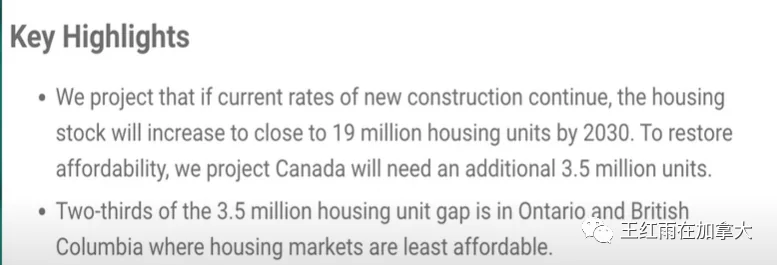
In the long term, Canada's housing supply will still lag behind the growth in demand. Interest rate hikes will have the greatest impact on the construction industry, because there are no listed real estate development companies in Canada, and builders rely heavily on credit for financing. It has been difficult to start construction of properties pre-sold during the epidemic in recent years, because developers simply did not budget for today's high interest rates, and they may lose money when they start construction. Currently, only one of the federal new housing policies has played a role in stabilizing housing prices, that is, starting from May, consumption tax HST will be charged on the transfer of pre-construction properties, and it will be charged based on the contract price, not based on the transfer profit. This policy has severely hit real estate speculators and affected developers. In the past, when new properties were pre-sold, most of the people queuing up to snap up were speculators. Developers could quickly pre-sell 70% of the properties, thereby applying for construction loans from banks. Since May, no one in Toronto has posted photos of people rushing to buy pre-construction properties in WeChat Moments. Sales of most pre-construction properties are extremely dismal, and they are far away from the 70% pre-sale target. The pre-construction property market in Toronto has been very abnormal in the past few years: second-hand houses in the same location are priced at 1,200 per square foot, and newly launched pre-construction properties are priced at 1,800 per square foot, and people are queuing up to buy them; builders transfer costs to buyers without a bottom line, forcing price increases before handover or finding excuses to cancel projects or contracts; after paying the deposit, the house is delayed for 7 or 8 years, causing investors to lose the opportunity cost of their funds. This adjustment in federal policy has rectified the current situation of the pre-construction property market that relies heavily on speculators. However, this pain will also further reduce the supply of new homes, thus intensifying competition among second-hand home buyers. Calculated based on the fact that 48% of new immigrants choose Ontario to settle and the past supply arrears, CMHC believes that Ontario will need to build 2.5 million new housing units every 10 years from now on. The province’s ambitious plan is to build 1.5 million new homes in the next 10 years. In fact, Ontario has never built 1 million units in 10 years. There are more and more gaps and arrears, and the competition for second-hand housing will become increasingly fierce.
The concentration of credit in economic activity, as well as current credit constraints, are bottlenecks for Canadian secondary housing and real estate development. As a gatekeeper, Canadian commercial banks do not easily grant loans to borrowers with insufficient qualifications, which can be regarded as a world-class example. Canada not only has beautiful mountains and rivers, but also has good credit policies. Borrowers are admitted on a selective basis, and the score line for outstanding policies is the amount of the family's tax return. Some people question whether I am qualified to comment on Canada’s economic policies as I am just a loan person. I can confidently say that understanding Canada from the perspective of credit is definitely a shortcut to understanding the laws of the Canadian economy. I also have the opportunity to practice it myself and help my clients quickly obtain financial security through this shortcut.
Conclusion
I have three basic philosophical questions to ask you: 1. What have you been struggling with? 2. What have you been trying to reconcile with? 3. What is your ultimate pursuit? I myself have been working hard to fight against the increase of entropy, to fight against the uncertainty and chaos, and to use the decrease of entropy to fight against the increase of entropy. I have been working hard to reconcile with my existing mindset and continue to deny my previous ideas through constant reading. The ultimate goal I pursue is contentment. And you? The future is becoming more and more uncertain, but this is very certain. We must be prepared to fight against greater entropy. Not only must we learn to face our own problems correctly and objectively, and we must always be on guard against surprise attacks by stupid macro policies. There will be more and more money, and assets will become more and more valuable. In Canada, it is much more pragmatic to make good use of existing policies and seize the time to write private property in your name as soon as possible than to blame others and hope for a change of government. The gap between the rich and the poor will be further widened by the availability of mortgage loans. I fully understand the anger of anonymous people online. They are dissatisfied with the credit policy, but they can only vent their anger on the person who sent the letter. In each person's life cycle, the window of time when he can afford a loan and buy more houses is very small and fleeting. Take the loan and cherish it. Regarding the security of family finances, I still insist on recommending that everyone pay off their mortgage as soon as possible. A home without a loan is not only a financial safety island, but also helps to shoulder the burden of investing in properties.