During the epidemic, central banks of various countries printed a lot of money. Have you received it?
During the epidemic, Canada compensated people without income 2.5 dollars for every 1 dollars of income lost. That is, employers reduced expenditures on employees by 100 billion. At the same time, the government provided subsidies to these people of 250 billion. Due to the reduction in social interaction and consumption during the epidemic, Canadian household savings increased by 90 billion. It can be seen with the naked eye that the government prints money as fiercely as a tiger, but Poor middle-class families, those who insist on working under the huge mental pressure of the epidemic, 1 Didn't receive any money . Money has been printed and sent out, but you cannot get it back. With so much money that cannot be consumed temporarily, it will inevitably lead to a situation where too much money chases a given amount of goods or assets, leading to either inflation or asset bubbles. Judging from the massive QE money printing in the United States in 2009, there was no inflation, only an increase in asset prices. So should we buy assets during the epidemic and wait for the rising tide in the post-epidemic era to lift all boats? Can families who did not receive government subsidies during the epidemic easily profit from asset appreciation in the post-epidemic era? The answer is very disappointing. In the post-epidemic era, it will be harder to make money from money.
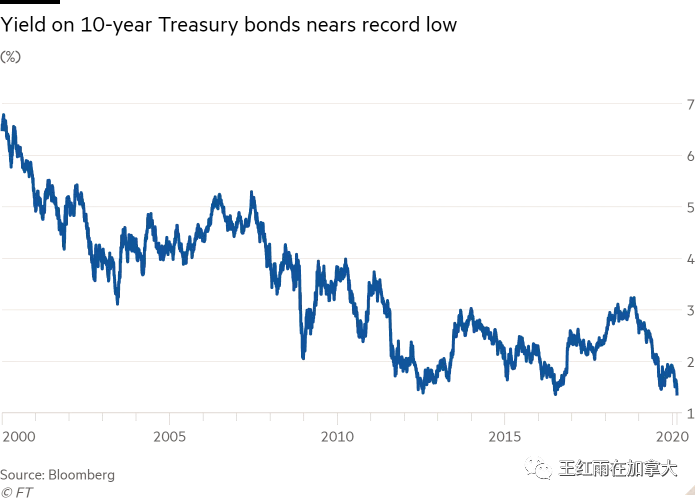
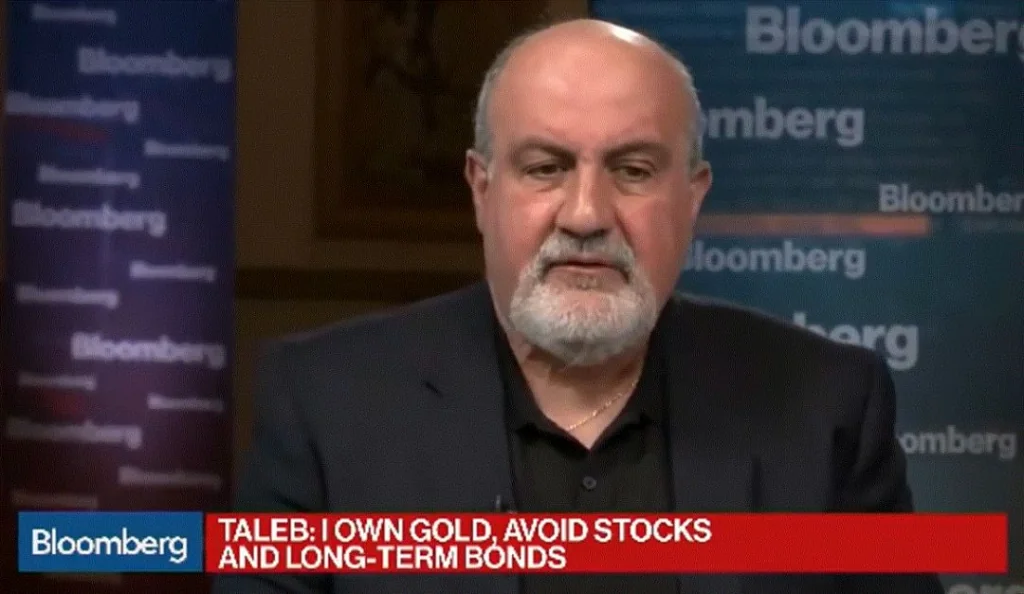
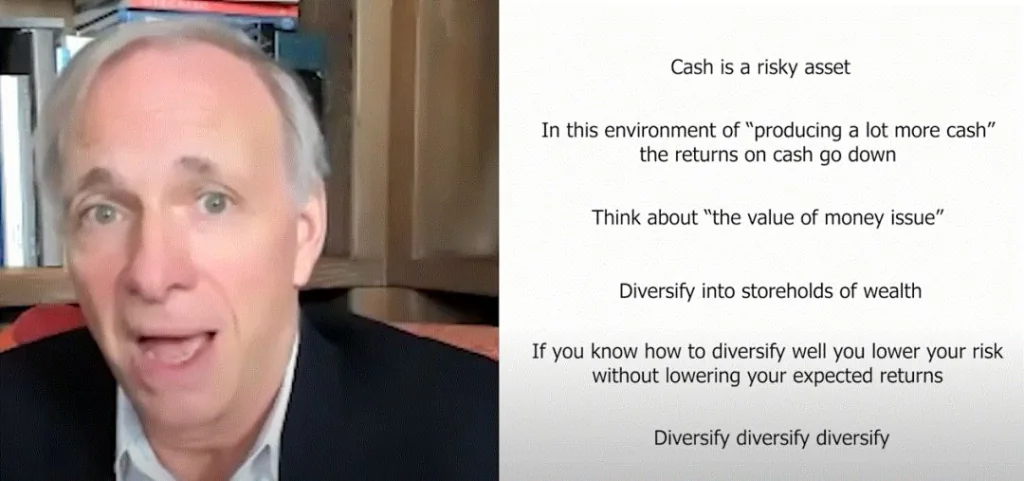
The most conservative financial asset portfolio is usually half stocks and half bonds. If you maintain this portfolio, the rate of return is likely to decline in the post-pandemic era. The problem lies in the bond yield: Take the 10-year U.S. Treasury bond as an example. In 2010, that is, 10 years ago, the yield was 4%. If you bought 2 million, you would receive 80,000 U.S. dollars from the U.S. government every year. After receiving the principal repayment due this year, you will never receive it again. In 2015, that is, five years ago, the yield on U.S. Treasury bonds was 2%. If you bought 2 million, you would receive $40,000 from the U.S. government every year, and you could receive it for another five years. But currently, in 2020, the yield on 10-year U.S. Treasury bonds It is 0.83%, so if you buy the 2015 10-year U.S. Treasury bonds issued five years ago in the market now, you will have to spend 2.2 million. The price of the high-interest Treasury bonds issued before has risen. If you buy bonds now, just in time for the bond price to reach the top of the mountain, if you have bonds with a 2% return in your previous investment portfolio, congratulations, the price of this bond has risen to almost the highest point. Therefore, many people have found that their financial asset investment performance has been very good during the epidemic. Don't forget, if you want to keep your investment portfolio half stocks and half bonds, as high-yield bonds gradually mature, you will have to buy more bonds that are currently low-yielding. The income from the bond portion of the entire portfolio will gradually decrease because the Fed has deliberately suppressed bond yields. You can find a video of Taleb’s recent interview with Bloomberg News on YouTube. His advice is very clear. Long-term bonds cannot be touched。
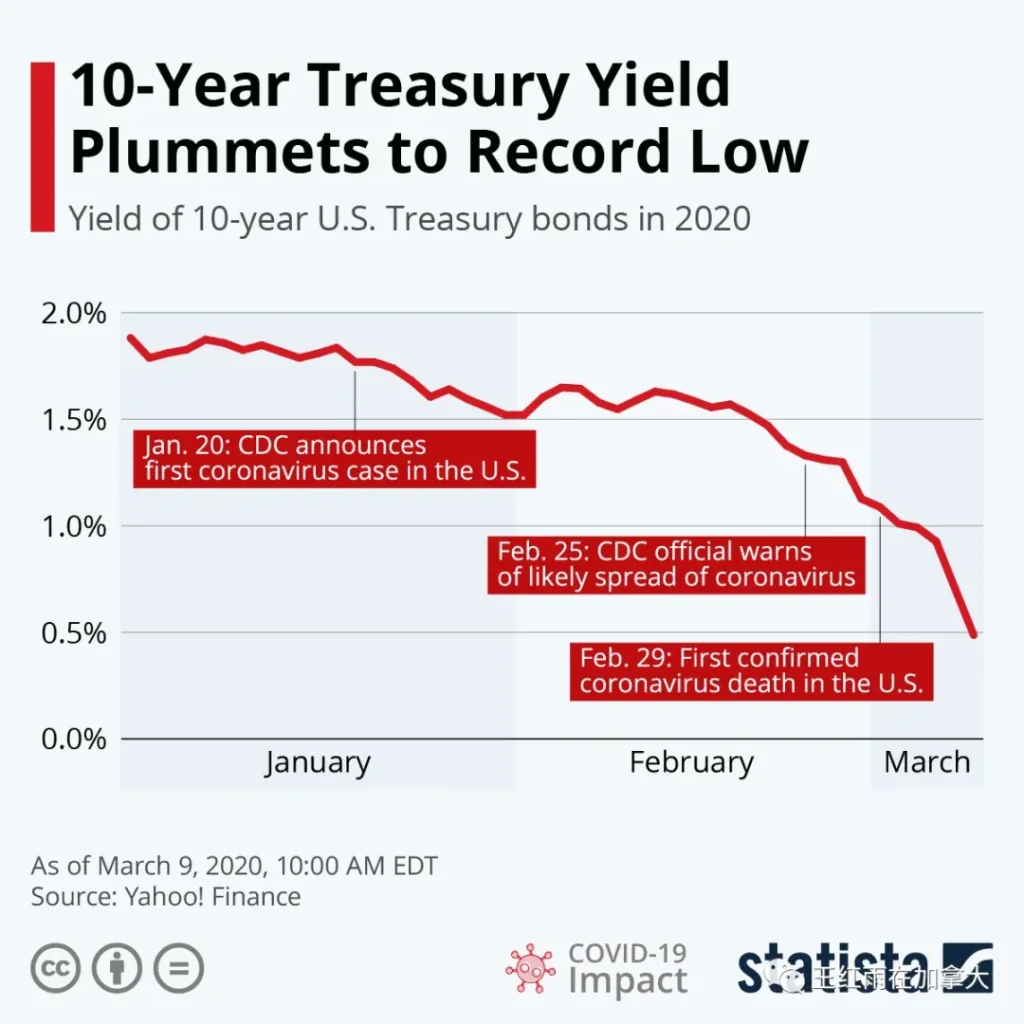
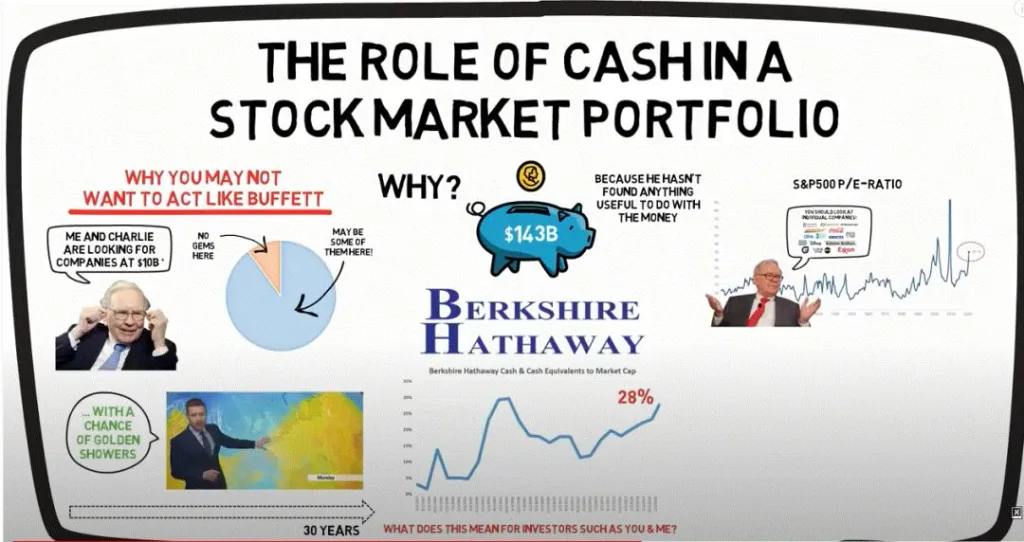
If the Federal Reserve keeps buying assets in the market and continues to expand its balance sheet, the consequences will be the situation in Japan today: the central bank and the government push the rope and print money desperately, but there is no inflation. The people maintain a high savings rate and spend nothing. Even getting married and having children are troublesome and they are afraid of spending money. Because the more money the government prints, the people feel less confident and save money for retirement from the first day of work. The whole human nature has been messed up by currency. If the Federal Reserve stops QE and starts shrinking its balance sheet, the bad situation will come faster. Bond yields will rise. If the government wants to issue new debt to repay old debt, interest rates will have to increase. In the future, it will become increasingly unaffordable. Will it force the U.S. government to declare bankruptcy? In addition, even a small increase in bond yields will be disastrous: if bond yields rise from the current 0.83% to 1.25%, a large amount of money will be sold to buy bonds, and the stock market will be ruined; at the same time, those institutions that play with bonds in the capital market have extremely high leverage ratios, and they use the current prices to rise The latter bonds are used as collateral and more bonds are purchased. Once bond yields increase, bond prices will fall. Institutions that perform high-leverage acrobatics on bonds will lose their leverage. This situation punctured the bond market bubble in 1996 when Greenspan raised the federal benchmark interest rate by 0.25%, and the results were disastrous. Many people have changed their investment portfolio strategies this year, changing the original 50/50 stocks and bonds ratio to a 90/10 stocks and bonds portfolio structure, which means they have to bear greater stock market risks. The Dow Jones Industrial Index has soared back to 3,000 points during the epidemic, and the price-to-earnings ratio has returned to the level of the Internet bubble era. This is a "central bank bubble" without corporate performance support. Do you dare to enter the stock market to find gold? According to Taleb in an interview with Bloomberg News, you should invest in the stock market, but you must buy "stock market disaster insurance." If you don't buy insurance, don't invest in the stock market. The reporter asked Taleb how to buy insurance. He just said that the premium is very expensive, and what you need to insure is the risk exposure of the assets you hold. You can't buy the wrong one. In other words, you need to buy put options, and you need to buy the right put options. Because there are too many bearish people, the price of such options has risen sharply, and the premium for stock catastrophic insurance is too expensive. The biggest risk in the stock market comes from the rise in bond yields, and people will flee stocks with too high P/E ratios, causing the market to collapse. Not buying collapse insurance is obviously taking chestnuts from the fire. You see, it’s not difficult to make money with money.
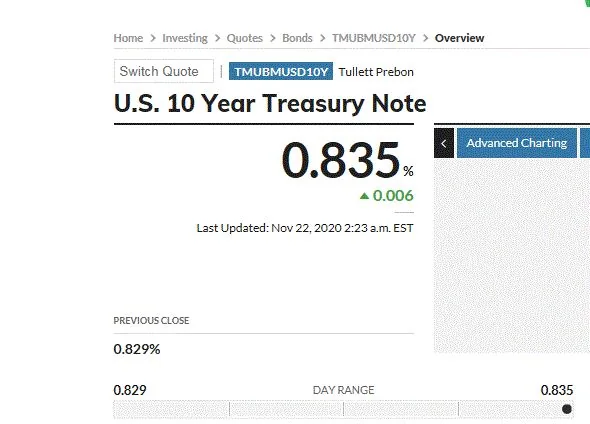
I once suggested to friends in the financial and business community,If you feel that there are too many economic indicators and financial data to distinguish and remember, just focus on bond yields. Bond yields rise, bond prices fall, stock market capital flows back into the bond market, and mortgage rates rise. In turn, bond yields fall, bond prices rise, money flows back into the stock market, stock prices rise, and mortgage rates fall.
After understanding the relationships mentioned above, do you still think it will be easy to make money from money in the post-epidemic era? Since the outbreak of the epidemic, what changes have taken place in the world to make things that seemed easy before become so difficult? In 2010, if a 70-year-old man bought 2 million U.S. Treasury bonds, he was guaranteed to receive $80,000 a year. Now, if you want to receive $80,000 a year from Uncle Sam, you need to buy 9.64 million U.S. Treasury bonds, 9.64 million In the post-epidemic era, finding a good job with enough money is harder than before.
01 How has the epidemic changed the world?
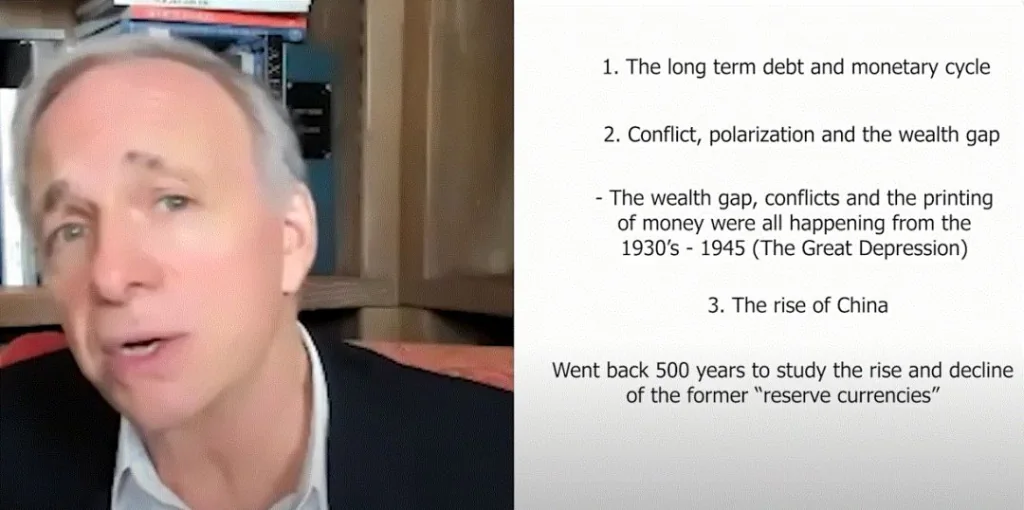
Ray Dalio of Bridgewater Associates will publish his new book "The New World Order" in January next year. When Yahoo Finance interviewed Dalio, he revealed the content of the new book and his views on the changes in the world since the outbreak of the epidemic. You can find this video and watch it. I will briefly describe his views below, because I found them very inspiring after reading them, and I would like to share them with you readers to think about together.
The main contents of Dalio's new book and the core points in the video interview are as follows: 1. The Federal Reserve's direct purchase of bonds has depressed bond yields, leading to low interest rates and excessive currency issuance; 2. The accelerating widening of the gap between the rich and the poor will lead to the emergence of the third tool of monetary policy; 3. With the rise of China, the status of the U.S. dollar as a reserve currency has declined.
"Quantitative Easing", or QE for short, was almost unknown to anyone before 2009. Only Japan had used this method of directly purchasing bonds through the central bank and injecting huge amounts of money. The Federal Reserve used this kind of central bank policy similar to weapons of mass destruction after the subprime mortgage crisis, and it has never been able to stop it since then: it has used it in all kinds of crises, the scale has become larger and larger, and it has acquired more and more types of assets. The epidemic has given the Federal Reserve 1,000 reasons to issue money, and other countries have to follow, otherwise their exchange rates will rise, exports will be blocked, and hot money will pour in, so the Olympics of printing money begins: more, faster, and harder. During such a severe epidemic, banks and the financial industry, which have the lowest capital adequacy ratios, did not go bankrupt, artificially creating an economic recession without a financial crisis. This situation has never happened in history. The cost is that bond yields have been pushed to the floor and bond prices have been raised to the ceiling. In Canada, the mortgage interest rate is actually 0.99%. Retirees who hold financial assets and have entered the rentier stage have been hit hard, because there is a high possibility of an embarrassing situation in which they are still alive but their money is gone. At the same time, for those who are able to borrow money, the loan interest rate is actually lower than the inflation rate, and the bank will give you money to buy a house. This situation of uneven suffering and happiness will accelerate the polarization between rich and poor.
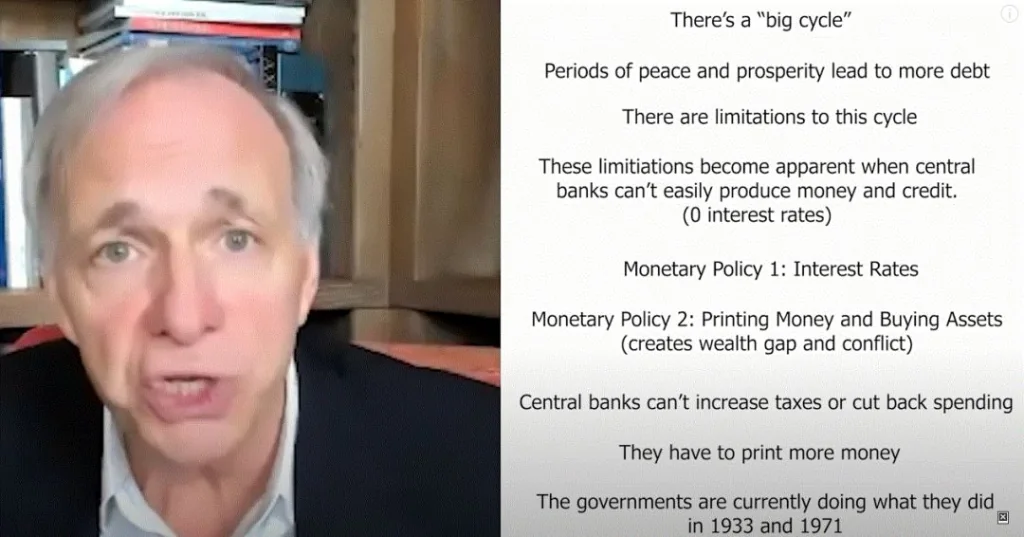
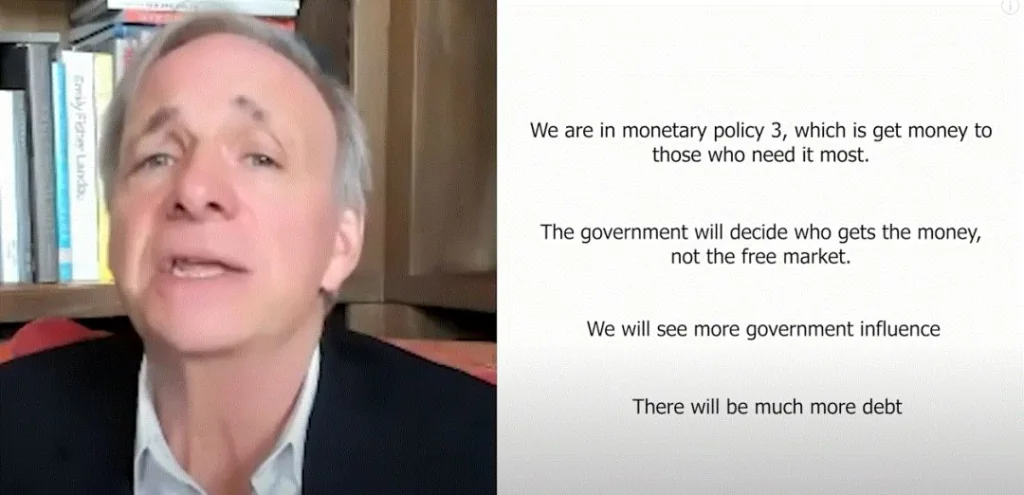
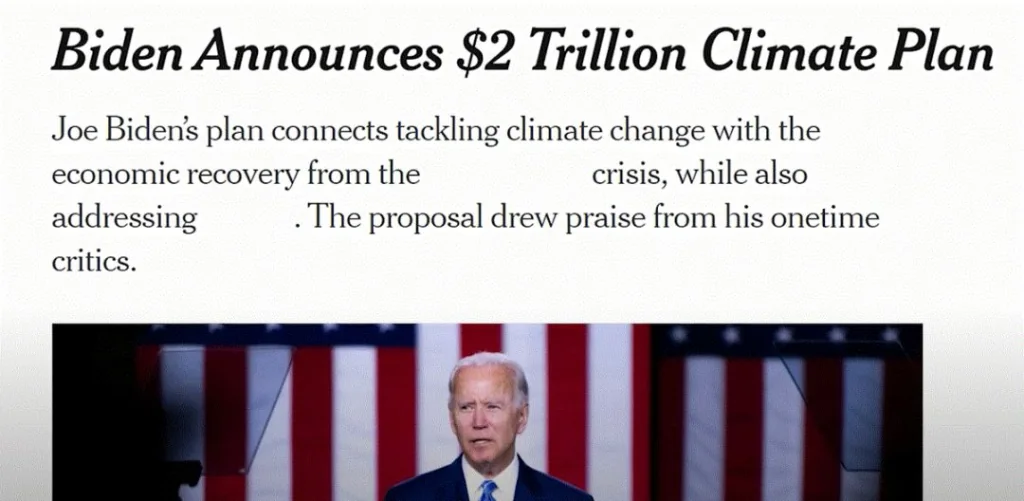
Monetary policy tools include: 1. Adjusting interest rates; 2. Open market operations and discounting. However, because the amount of money issued is too large, the random flow of cash everywhere is not in line with some people's wishes. Therefore, Dalio believes that a third type of monetary policy is about to emerge, that is, the government will use the money printed by the central bank. For example, if Biden is elected, he will use 2 trillion to build new energy projects. This kind of nationalization will greatly damage the foundation of the capitalist free market economy, so we see that this election in the United States is extremely torn because the interests are too great.
Another side effect of the large amount of money printing in the United States is the decline in the purchasing power of the US dollar. At the same time, the explicit behavior of printing money to dilute debt has shaken the US dollar's reserve currency status. Fortunately, the rise of China has not made the RMB a tradable currency, so the possibility of the RMB becoming a reserve currency is zero. Otherwise, it will accelerate the collapse of U.S. hegemony.
02 The world is in such chaos, what should I do?
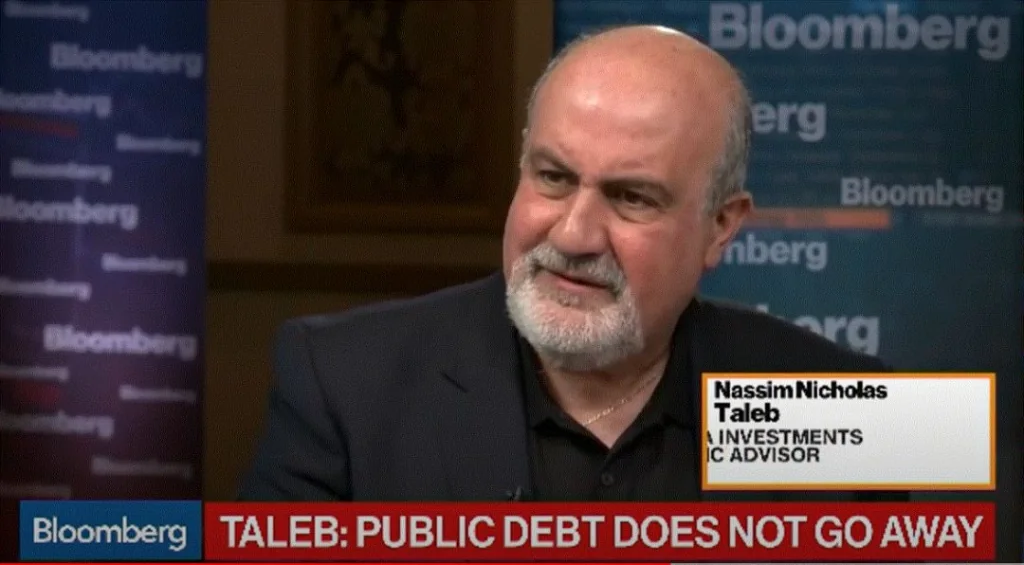
The views of contemporary wise men on current issues can always lead us to think deeply and warn us of some danger signs. The views expressed by Nassim Nicholas Taleb, the author of "Black Swan" in recent interviews with Bloomberg News, are very worthy of our consideration. Taleb believes that: Modern Monetary Theory (MMT) is absurd and unsustainable. The trend of financial investment is that the stock market needs to pursue high-risk investments and purchase (stock market) disaster insurance; long-term bonds cannot be touched.
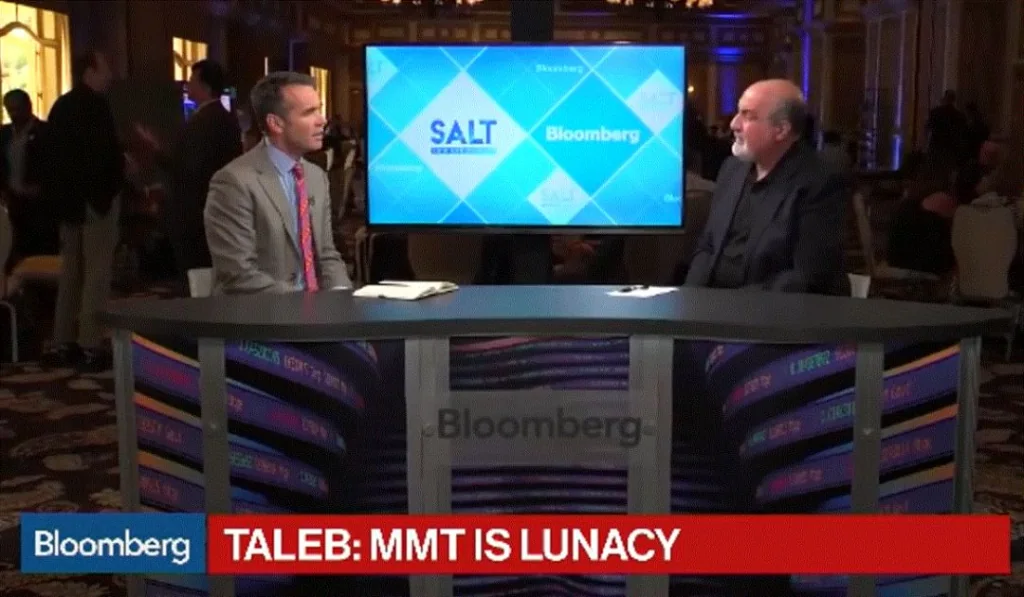
MMT is the abbreviation of Modern Monetary Theory. It used to be a theory, but now it has become a reality. There are two balances in the economy, one is the balance of taxes and deficits, and the other is the balance of inflation and employment. The main responsibility of the central bank is to ensure that the second balance is not too skewed; the main responsibility of the government's Ministry of Finance is to ensure that the first balance is not too skewed. The MMT theory means that the first balance is tilted heavily towards deficit to ensure the balance of the second balance. That's what Japan is doing right now: government deficits are much higher than tax revenues, keeping employment and inflation stable. The United States is heading down this path, and other countries, including Canada, are following. Taleb believes that public debt, that is, deficit, is created for the sake of self-interest by people who are not involved. The debt created by one government will not only not be repaid by the next government, but will also intensify to create more debt. These public debts have no collateral and will not disappear out of thin air. If it is caused by government transfer payments, it is robbing the rich to give to the poor. The more the public debt is endlessly expanded, the more serious the polarization of society will be, because there will be people who rely on the government to do nothing and just wait to divide the land.
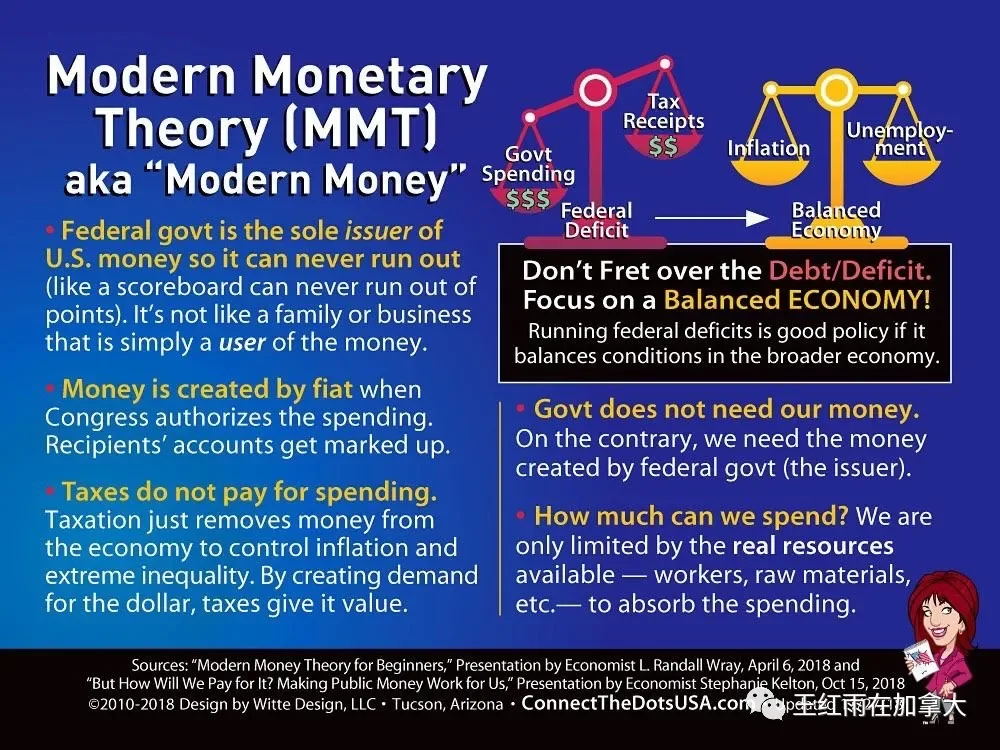
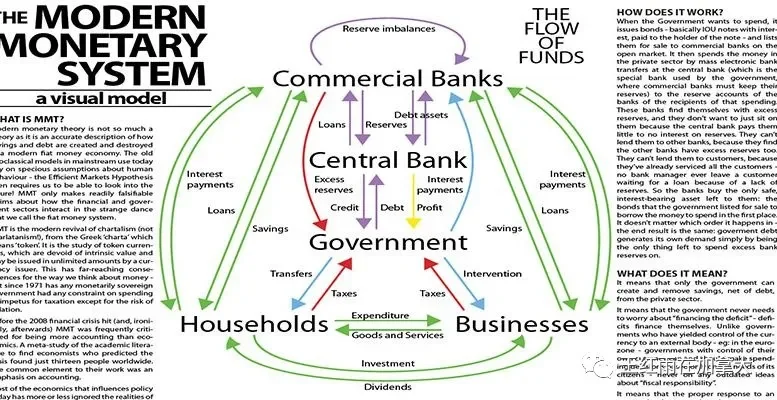
With the prevalence of MMT, the role of the central bank has moved from behind the scenes to the front. When the government issues debt, it needs someone to buy it, and the central bank is now the biggest buyer. It turned out that the central bank was only the borrower of last resort for commercial banks, but now it has become the savior. If ordinary families only obtain funds from active income such as wages, they may have lost one source of funds in the era when the central bank danced alone. Therefore, they need to work hard to take a drink from the flood of banknotes issued by the central bank. Otherwise, if you save money and the central bank prints money, the speed difference is too big.
A financial reporter asked Taleb for his opinion: The world is in chaos, what should we do? Taleb's answer is, (Don't worry about money making money) Ordinary families are better off working hard, (paying more taxes, taking out loans to buy a house (this is my guess)), and don't think too much.
03 What should people in Canada do when they watch the government pay benefits to others?
People who stick to their posts during the epidemic not only have to be careful of being infected at all times, but also endure the fact that they cannot receive any benefits, but they watch the government all day long giving money to others with 1,000 reasons for giving money, but they can always magically bypass their feeling of being discriminated against.
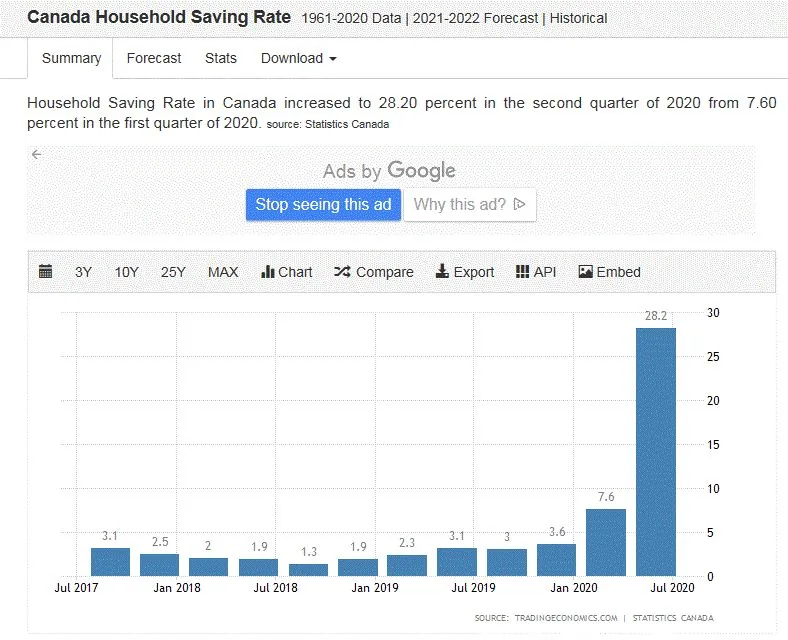
In the past 60 years, Canadians' national savings rate was 7.6%. For every 100 dollars earned, they saved 7.6 dollars. Since the outbreak, saving habits have changed dramatically, with the savings rate rising to 28.2%, and almost 1/3 of their income has been saved. The total savings of Canadians every year is about 45 billion, and some people predict that this year it will rise to 220 billion. This is a huge change: Canadians are no longer calm in the face of the epidemic, and they are tightening their grip on their pockets. At the same time, for many families, the money distributed by the government is more than they earn, and banks also allow them to defer mortgage loans for 6 months, so the money is saved. An increase in the savings rate is a precursor to deflation, so inflation is unlikely to occur in Canada in the short term. There are not many places to spend money, and bond yields are ultra-low. In addition to investing in U.S. stocks, Canadians’ largest investment is Canadian real estate. Therefore, we have seen that housing prices have remained strong during the epidemic.
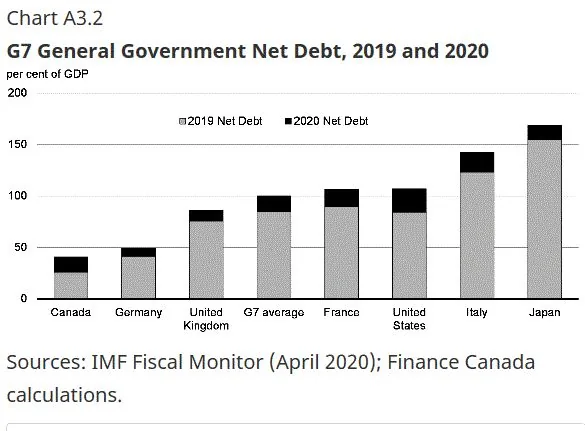
Many people worry that Canada has printed too much money during the epidemic and will raise taxes crazily in the future. The fact is this: Before the outbreak, Canada ranked seventh and last among the G7 countries in terms of the ratio of public debt to GDP, at about 46%. Although it has been issuing the most debt since the epidemic, this ratio has only risen to 54%. Before the outbreak, the public debt of the United States was close to 100% of GDP, and Japan, ranked first in the G7, was as high as 170%. After the epidemic, the public debt of these two countries will hit new highs. Many people are worried that Canada is about to face a comprehensive and substantial tax increase. I don’t think so. Canada will follow the example of the United States and Japan, MMT The pioneers of the government will continue to expand the size of the deficit and leave the debt to the next term, and the next term, and the next term. . . Because raising taxes means removing funds from the economy and thus losing votes, you don’t have to worry too much about raising taxes. The knife will not fall on voters soon, but it is still very possible that the big knife will hit non-residents who are not eligible to vote.
My advice to Chinese Canadians is: Work hard and pay taxes. This is an era where those who can borrow money get rich first. Whether the bank will approve your loan depends on how much tax you pay. Don't think too much about other things. If the sky falls, Wu Dalang will hold it up, because the prepared people have already dug trenches and hid first.
Conclusion:
It is becoming more difficult to invest, and it is difficult to make money without taking risks. In the words of Buffett, you can't make money outside your circle of competence. The world is changing too fast, and the circle of competence is expanding too slowly. The world is undergoing the above changes, but how many people can really observe and understand this change? Even fewer can make behavioral and strategic changes. I organized a lecture for friends in the financial business group on November 29, explaining what a world with the Federal Reserve as the core will look like, and the challenges that MMT brings to us ordinary people. Investing in financial products between stocks and bonds will be a topic we explore and discuss in the future. In the lecture on the 29th, I invited other professionals to introduce REITs, annuity products of insurance companies, and quasi-fixed income Canadian bank stock derivatives. The lecture content has been divided into two parts and uploaded to YouTube. The title is "It will be more difficult to find a good job with money in the post-epidemic era." I hope it can inspire all readers.