As of May 23, the number of people in Canada who have received the first dose of vaccine has exceeded 50% of the population. It has been one year and two months since the outbreak of the epidemic until we saw the dawn of life returning to normal. My personal observation is that after the family income and wealth have been baptized by the epidemic, positive and hard-working families have become stronger; families that rely on government subsidies are about to tide over the difficulties; some young people who have not received assistance and are eager to move to a higher level are very disappointed; a few extremely pessimistic people have seen their family wealth shrink significantly.
There is a family. Before the outbreak, the couple both had professional jobs, and one of them still worked in the medical field. During the epidemic, both of them voluntarily resigned and began to receive government subsidies. When the third epidemic broke out, they also sold their home. This is the most negative case I know in the face of the epidemic.
There are two types of families who receive government subsidies. One type is proactive, as their employer has closed down, and they are not looking for a new job. They are waiting for their employer to resume work, and take the initiative to receive benefits. The other type is passive, with their children taking online classes at home and the couple unable to go to work at the same time, so they take turns receiving government subsidies and taking care of the family, and are forced to receive benefits. In the latter case, banks give the green light when reviewing mortgages.
The most painful thing for young people in this epidemic is not that they have not received much assistance, but that they are getting further and further away from their dream of buying a house.
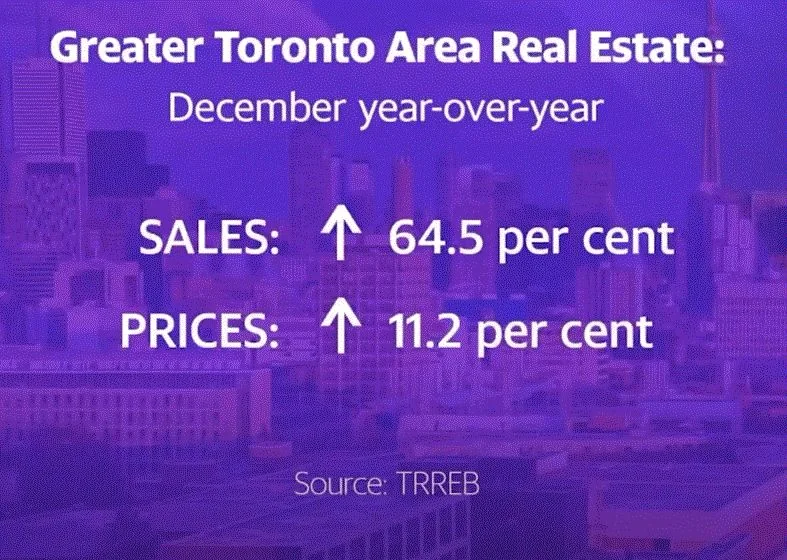
Families that have become stronger during the epidemic have one obvious characteristic: they have either changed to a larger house or bought more houses. With no new immigrants arriving and non-residents fleeing, not only has the transaction volume of second-hand housing surged, but housing prices in some areas have also made up for the gains they should have made in the past three years. The central bank printed more money through massive quantitative easing (QE), but the money was only lent to households that could pass the B20 stress test. The mortgage policy B20 has become a weighing machine to measure the strength of financial status. Prices have increased and volume has increased. There are no external funds and the loan threshold has not been lowered. This clearly shows that the epidemic has made some families stronger.
01 Have you received the epidemic benefits?
Since the epidemic, the Canadian government’s assistance to low-income and unemployed people has been shocking. From March last year to July this year, the fee was 2,000 dollars per person per month. After July 17, it was changed to 1,200 dollars per person per month. The money comes from taxes and deficits. Not only that, the assistance to small businesses is also very strong. As long as you open a company account in a bank and spend more than 40,000 dollars on business expenses, you can get a CEBA interest-free loan of 60,000 dollars. If certain conditions are met, you can only repay 40,000 dollars. Because the threshold is very low, some real estate agents have also applied for this commercial loan. In addition to the two well-known programs CERB and CEBA mentioned above, there are various federal and provincial government relief programs of all kinds, but without exception, they all completely bypass families with healthy finances and stable incomes. Among the families that have not received subsidies and relief from the epidemic, some have made themselves stronger through their own efforts. What did they do right?
For various subsidies issued by the government, checks are sent from the tax bureau. Therefore, subsidies are the product of fiscal policy. Since the outbreak of the epidemic, in addition to fiscal policy, another rescue policy has come from monetary policy, that is, the large-scale quantitative easing policy QE. The central bank buys bonds in large quantities in the market, pushing up bond prices and thus greatly reducing bond yields, in order to suppress long-term loan interest rates. After the central bank started QE in March last year, it purchased 4 billion bonds every week. At that time, the mortgage interest rate exceeded 3%. By July last year, the mortgage interest rate was suppressed to about 2%. The governor of the central bank was afraid that people would not dare to borrow, so he announced to the public in July last year that QE would end in 2022 and interest rates would be raised in 2023. In the face of this call, the response of middle-class families was divided. Some families responded to the call - the government dared to borrow more than the family, overdrafted future benefits, and the interest rate was ultra-low, so they took action to go to the bank to remortgage the existing property, or apply for a new loan to buy a house; other families were still hesitant and lingering, neither receiving any benefits under the fiscal policy, nor using monetary policy to apply for low-interest loans, and all the saved expenses were deposited in GICs.
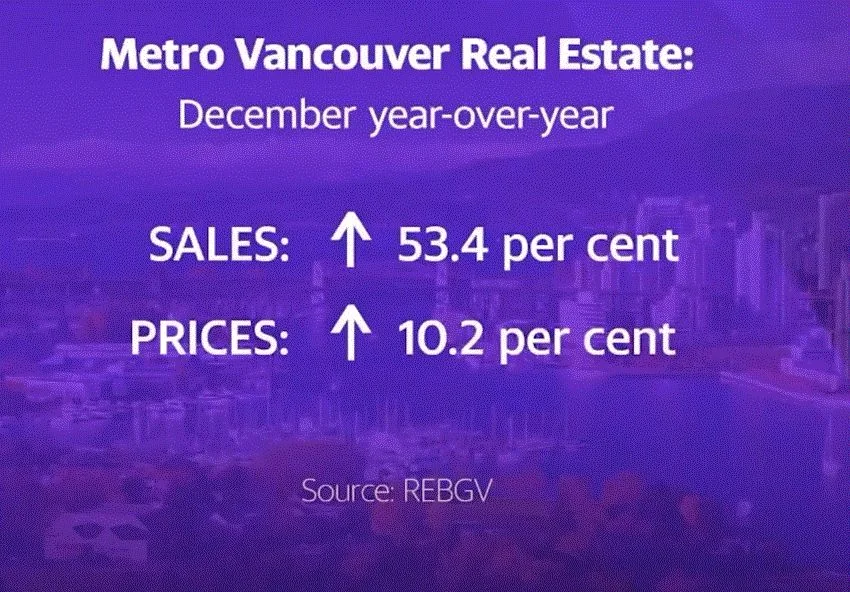
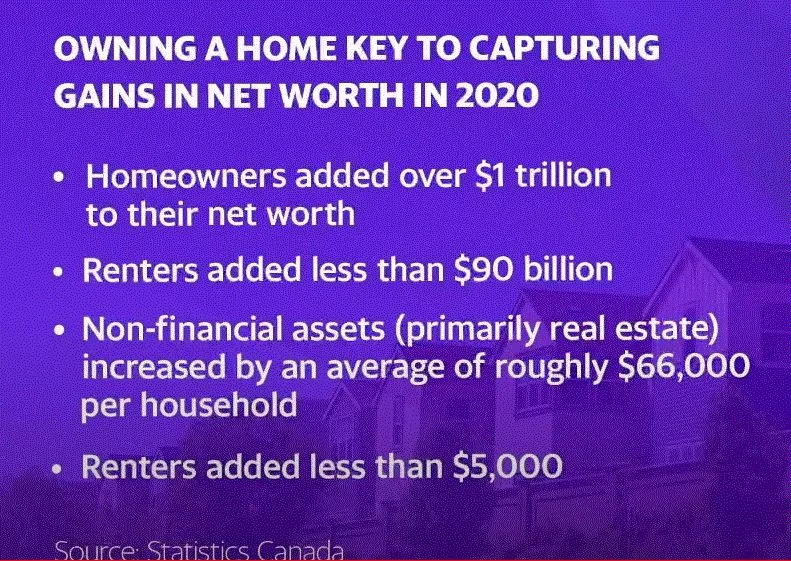
Middle-class families striving for the upper reaches do not need any assistance from the government, because in an environment of free competition, they have developed the habit of seizing opportunities and developed their ability to be self-reliant. Statistics Canada issued a report at the end of last year, announcing the changes in household wealth since the epidemic. The name of the report is National balance sheet and financial flow accounts, fourth quarter2020 , you can search and read. During the epidemic, the net worth of families who own a house increased by an average of 66,000 dollars; the wealth of families without a house increased by less than 5,000 dollars. This report card strongly illustratesYour own efforts are more important than any assistance from any organization or individual. I quoted the above data in a recent lecture, and some netizens asked about the source of the data. In fact, there is no need for the Bureau of Statistics to testify. We can still come up with this figure: the average house price in Canada is 600,000+, and the annual increase in house prices is 10%. The mortgage balance of families with mortgages must always decrease. The increase in household wealth of 60,000+ in a year is only an average level. There is nothing incomprehensible. The average house price in Canada has reached 710,000 in 2021, and house prices in some areas have increased by 20%-30%. This year, the net worth of homeowners will increase even more. By analogy, if there are 5 houses, the average household net worth increased by 300,000 last year. It is not a difficult mathematical problem. Property-owning families, especially those who own real estate, have become the biggest winners in wealth growth under the macroeconomic policies of the epidemic, although they have not received benefits. Canada is a country where honesty is worth it, hard work is worth it, diligence is worth it, and economic freedom is worth it. As long as you are not pedantic and don't focus on welfare, getting rich slowly does not come slowly.
02 Find freedom in inequality
From 2017 to before the outbreak of the epidemic, except for condo prices in Toronto, which had a large increase in housing prices, the price growth of other types of real estate was less than 7% every year. Canada's M2 is growing at an annual rate of 8.42%, and its GDP is growing at an annual rate of 1.7%. If the new currency does not cause large-scale inflation, the newly issued currency should flow into real estate, so the annual increase in housing prices should be 7%. When house price increases are low, people don't notice it. Since the interest rate cut, people have found that monthly loan payments have been significantly reduced, so they have returned to the market for shopping and started a compensatory increase in housing prices. Nervous people exclaim that it is abnormal for house prices to rise so fast and at such a large rate, but they forget that this is just a supplementary increase. The reason for the rapid and sharp rise is the result of very intense competition among buyers and sellers at the same time.
Austrian economists have long explained the pricing rules of many-to-many transactions in the free market: Competition between buyers and sellers drives up prices; competition between sellers and sellers drives down prices; market transaction prices are the result of negotiations between the strongest buyers and the weakest sellers; buyers and sellers do not have a competitive relationship, only a cooperative relationship. Prices rise because there are too many buyers and too few sellers; the speed and extent of price rises depend on the intensity of free competition among buyers.
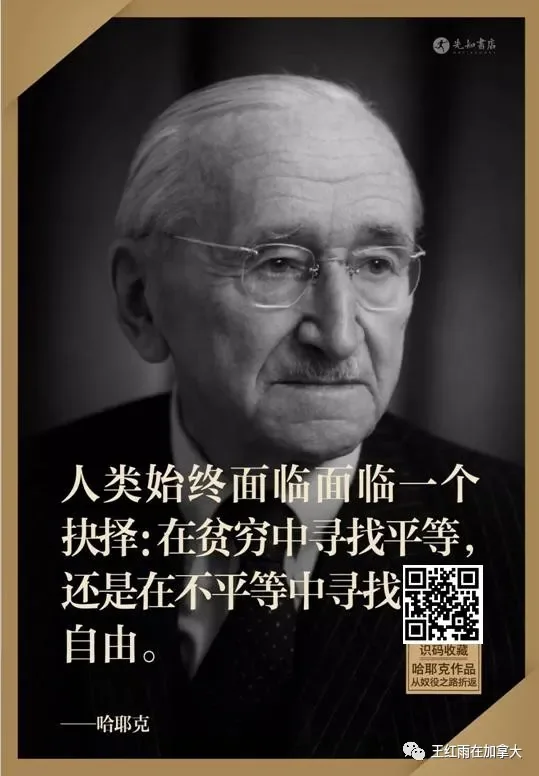
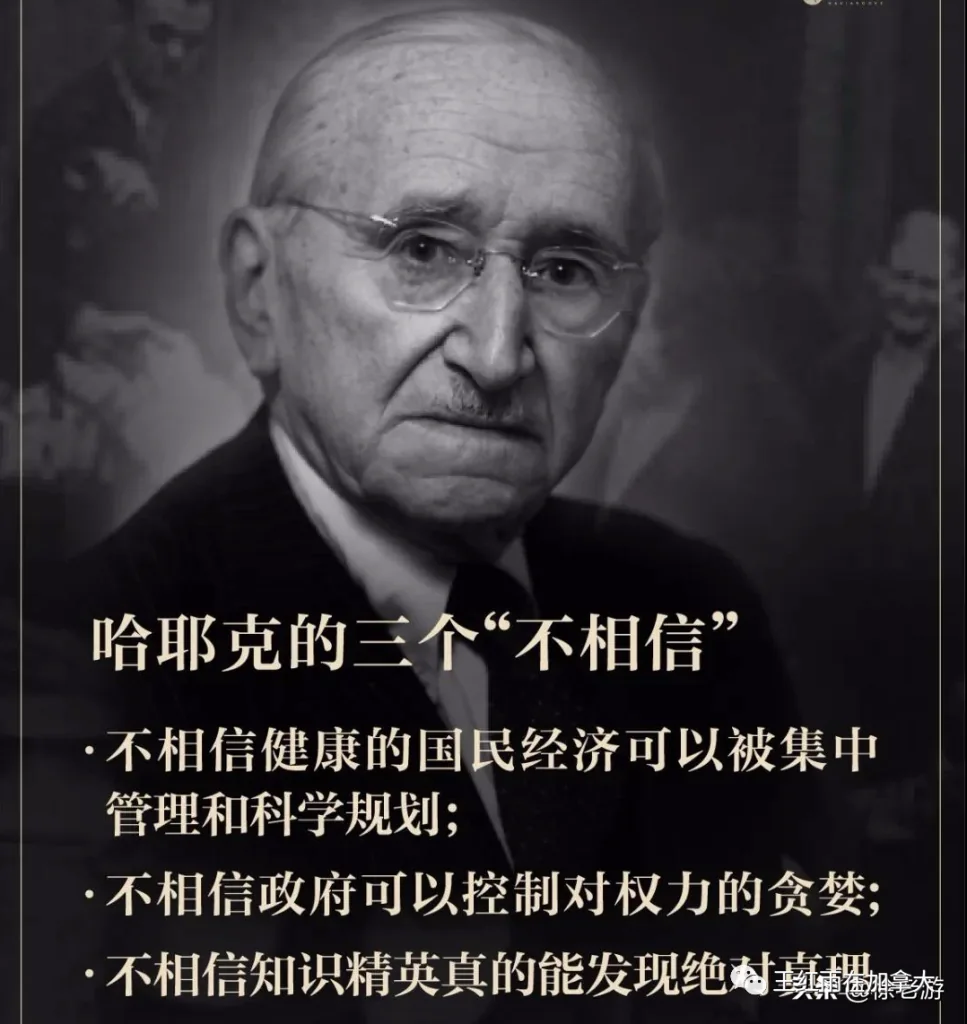
Hayek is a representative figure of Austrian economics. He said, " Humanity has always faced a choice: to find equality in poverty or to find freedom in inequality."No matter what the specific reason is for us to immigrate to Canada, each of us has chosen to "find freedom in inequality", because Canada is a country of equal opportunities and advocates free competition. It doesn't matter if you lose in the competition, and there are government relief. Note that the government will not help anyone. People win in the competition, but they will not let the losers in the competition starve to death. Recently, two placards appeared in Toronto and Ottawa. They were advertisements raised by 11,000 people who could not afford housing. They hoped to draw the government’s attention to the excessive rise in housing prices. One placard read “Can’t. Afford a home? Have you tried finding rich parents?” The other piece says “House aren’t for you. They’re for the rich. You can go rent.” The first piece is about blaming parents, and the second piece is about hating the rich. If the first generation of Chinese immigrants do not actively participate in the competition and win in the competition, the next generation may become a group of people who have money to raise money to paint slogans but have no money to buy a house.
Free competition inevitably leads to victory or defeat. All victories and defeats in capitalist countries are scored with a knife. In addition to competition, capitalist countries have a safety net to ensure that those who fail in competition will not destroy the competitive environment. It can also be said that they pet those who are unwilling to participate in competition or the losers in competition, and use feeding methods to keep these people equal at the same poverty level.
Whether you can afford a house depends on the results of free competition, and the government does not interfere with free competition. If someone is homeless, it's the government's responsibility. The Canadian government's affordable housing policy is that the government builds housing and rents it to the less fortunate or older people at low prices. If you want to apply for this kind of low-rent housing, please wait in line among these unfortunate people and the elderly.
03 There are three trees, which one are you climbing?
Some first-generation Chinese immigrants found professional jobs soon after landing, earning an annual income of 100,000 or even 200,000. Other Chinese have been here for 2 or 3 decades but are still looking for themselves. Immigration means changing the soil. Even if you were a flower before, if you move it to new soil, you have to reabsorb the nutrients yourself, otherwise it will wither quickly. Professional work is usually the result of people climbing the professional technology tree for a long time. Investment is another technology tree. If a person with an annual income of 100,000 in the professional field wants to achieve an annual investment income of 100,000, he needs to invest corresponding time and energy in investing in this technology tree. In addition to these two trees, there is a third tree in Canada, which is people receiving relief and subsidies. Don’t think that the third tree has no technical content. Just look at those who didn’t receive a penny of relief during the epidemic. Without some technology, you really can’t get a penny.

Investment is an independent technological tree and has no relation at all with the tree you plant in your professional field. The phenomenon of people with high incomes being leeks in the investment field can be seen everywhere, so there is no need to look for them. There are many reasons for this. According to my observation, there are two main reasons: 1. Too conceited; 2. The gardener is not qualified. Many IT men studying stocks today are just like Newton when he was bloodbathed by the South China Sea Bubble. They are too conceited and underestimate the enemy. They think that they can beat the stock market with a little scientific knowledge and the ability to write code. Unqualified gardeners are also an important reason why the tree you invested in cannot grow.
The cost of climbing the third tree is too high. It is not worth cutting down the first two trees. Even during the epidemic, it is a pity to do so.
The inability to bring professional experience in China to Canada does not mean that you cannot engage in professional work in Canada. The day we submitted our immigration application, we were determined to start all over again. When a friend asked me for my opinion on taking the insurance brokerage license test, I said that I think there are not enough qualified and responsible insurance brokers. It is precisely because some practitioners hide the truth that there is an opportunity for "honesty pays". If you are honest with your customers, you will win customers. It is not easy to be a good gardener. You don't have to get a certificate and become a licensed gardener to be a good gardener. I have limited energy and cannot be half-hearted when doing a professional job. Even though I have been working in mortgage loans for 11 years, I still feel that I still have a lot to learn. For example, after a sharp interest rate cut, many families want to transfer their loans locked at high interest rates to low-interest contracts, which will trigger the issue of default penalties in the original loan contracts. In order to help the client realize the purpose of refinancing and lowering the interest rate, I need to help the client study the penalty policy of the other bank, which is a subject that I have not encountered before. Among the loans transferred to me since last year, on several loans, my clients saved more than 20,000 dollars in penalties under my guidance. I firmly believe that for a good gardener, 10,000 hours of practice is far from enough. Only by deeply cultivating your professional field can you provide in-depth services to customers.
04 Be a good gardener and help the strong become stronger
A strong person usually has a skill and is someone who has gained recognition and success in the technology tree of his or her professional field. It is the job of financial advisors, insurance brokers, real estate agents, and loan managers to help these strong people plant the seeds of investment in this technology tree. A good gardener can also help with weeding, pruning, and fertilizing to help the investment tree bloom and bear fruit.
A good investment technology tree gardener cannot do evil things. This is the bottom line. To do evil is not to do something illegal. Our common evil deeds fall into the category of "banal evil". For example, incorrect investment definitions and concepts are spread falsely even though they know they are wrong; investment traps that are obvious scams are pretended to be detours; rookie developers are said to be famous developers, and when their peers dare to forward such advertisements, they follow suit; forwarding lecture advertisements that say "you can earn 1 million in just XX days"... and so on. The most commonplace evil in our Chinese community is that licensed professionals forward some false financial and investment information. Ordinary Nazi soldiers followed Hitler to do evil, which was banal evil, but it was caused by ideological pressure. The mediocre evils in the free world all come from dollar philosophy and money worship.
Being a helper to the strong and helping the strong become stronger is the professional goal I have set for myself. To achieve this goal, I did not hesitate to show my face, write articles, and appear on video programs. There is a saying that "being misunderstood is the fate of the expresser." In the past three years, through interactions with readers and audiences, I have deeply understood the meaning of this sentence. Among the feedback I have seen, some are sincerely grateful, some are throwing dirty water, and some are just trying to gain popularity. I know very well that every time I speak out and every time I stand up, I am not square in the eyes of some people. After more than three years of being baptized by reputations and reputations, I still remain true to my original intention and want to be a shaper. I will continue to use long articles and long videos to explain my ideas and create a proven and successful investment concept, as well as an operational and executable investment method, so that those who believe in me will get rich first. Dalio clearly expressed his life goal in "Principles": to be a shaper, no matter how difficult it is, to use your own practical actions to prove the right thing, this life is enough.
Conclusion:
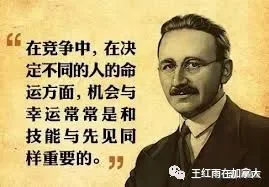
If you are a strong person and want to become stronger, at this moment, I would like to give you a passage from Hayek: "In competition, in determining the fate of different people, opportunity and luck are often as important as skills and foresight." Only our generation has encountered opportunities and luck like low interest rates, so our predecessors have no experience for us to learn from. We cannot find in any investment and financial management textbooks or cases how to invest when the deposit interest rate is less than 1% and the loan interest rate is less than 2%. In this special historical period, the investment technology tree needs to be planted in different ways. I did an experiment on myself and am promoting the experimental results. If you are a strong person and want to become stronger, please follow up. I am confident and capable of turning more middle-class families into real estate investors.