The impact of the expansion of capital gains taxable scope on real estate investment
王
Henry Wang34 years in banking · Real-estate investment experience
The impact of the expansion of capital gains taxable scope on real estate investment
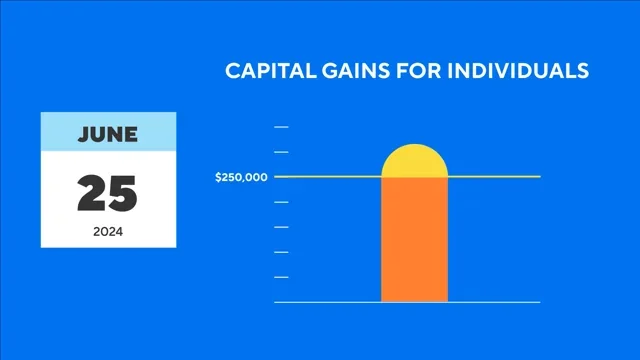
According to the federal budget on April 16, Canada will adjust the taxable scope of capital gains benefits from June 25, 2024. For individuals, of all capital gains income in a year, 50% of the amount less than 250,000 is included in taxable income, and 66.7% of the amount exceeding 250,000 is included in taxable income. For companies, from June 25, the tax rate on capital gains is 66.7%. An increase in taxable income will result in a decrease in investors’ after-tax profits.
The essence of capital gains tax is currency depreciation tax.
Because the difference between the buying price and selling price of an asset mainly reflects the degree of currency depreciation. Everyone who holds assets in Canada will be affected by this policy as long as asset prices rise. Rather than what the government explains, only a very small number of wealthy people are affected by this policy change.
In most cases, people will not sell a large amount of assets in a year and have a capital gain income of more than $250,000, but at death, the person holding the assets will be deemed to have sold all the assets on the day of death. Most people will die with a capital gain income of more than $250,000, and it may be much more than $250,000. So this policy affects everyone, not just a few.
Investors who use a personal holding company to hold residential real estate under the company's name will not receive a capital gain of RMB 250,000, but only 50% of the income will be included in the tax calculation scope. 66.7% of the capital gain will be directly included in the taxable income, so this group of investors will be the most affected.
For commercial properties purchased in the name of a company, including multi-unit residential buildings, 66.7% of capital gains are also directly included in taxable income.
Capital gain is the difference between the sale price and the actual cost of purchase.
If an investor accrues depreciation and CCA capital cost allowance during the process of holding the property, resulting in a lower purchase price, capital gains will increase accordingly. Therefore, investors who accrue depreciation may reduce their after-tax income due to the increase in capital gains.
If a couple holds an investment property jointly, they can share the capital gains. Each person has a discount of 50% of the first capital gains of 250,000 being included in taxable income. If a person holds an investment property, he will be greatly affected by this policy adjustment.
Changes in the tax system are changes in the rules of the game. If the rules are not conducive to investment, it does not mean to quit the game, but to play smarter. What rules of the game promote or discourage specific real estate investment activities. For example, in the United States, capital gains tax is levied when a home is sold, but interest on mortgages is tax deductible, so many Americans are unwilling to pay off mortgages. Canadians, on the other hand, will pay off their mortgages as quickly as possible. Americans who invest in multi-suite apartments enjoy the tax policy of Section 1031. After selling apartment building A, if they buy apartment building B, the capital gains from selling apartment A will not be taxed. This is the investment method recommended by rich dad. There is no such tax policy in Canada, so there are fewer people investing in multi-suite apartments.
The rules of the game change, making investors pay more in taxes, which means investors need to invest harder rather than get out of the game. The more you pay in taxes on currency depreciation, the harder you need to fight against currency depreciation.
Three ways to reasonably avoid taxes:
Deduct, Defer and Divide
, in response to the changes in the rules of the capital gains game, possible policies for Canadian real estate investors:
Stop accruing depreciation CCA for investment properties and reduce deduct.
If a husband and wife jointly hold an investment property, the property originally held in one person's name can be refinanced in another person's name, and there is no land transfer tax. When selling, the capital gains of the party who later added the property rights are calculated from the time when the name was added. The capital gains of the party who was originally on the property rights are divided into two parts, before and after the name is added. This prevents a person's capital gains from exceeding $250,000. Divide
Fewer investors will use personal holding companies to hold residential real estate.
When investing in a multi-unit apartment in the name of your company, seek a CMHC-insured loan to lower your loan interest rate and hedge against capital gains losses
The amount of tax on the estate increases and the amount of life insurance coverage needs to be increased.
Hold the property for a long time and defer taxes as much as possible. When you need to withdraw cash from the property, refinance rather than sell the property. Defer